


Professional illustration about LuckyStreak
Live Casino Tech
Live Casino Tech has evolved dramatically in 2025, blending cutting-edge innovation with immersive entertainment to redefine the player experience. At the heart of this transformation are high-definition video streams and real-time interaction, powered by industry leaders like LuckyStreak, Playtech, and PokerStars. These platforms leverage Game Control Units (GCUs)—the backbone of live casino studios—to ensure seamless HD streaming and flawless synchronization between dealers and players. For example, Quantum Roulette and Mega Fire Blaze showcase how advanced optical character recognition (OCR) technology translates physical dealer actions into digital data instantly, enhancing transparency and trust in real money gaming.
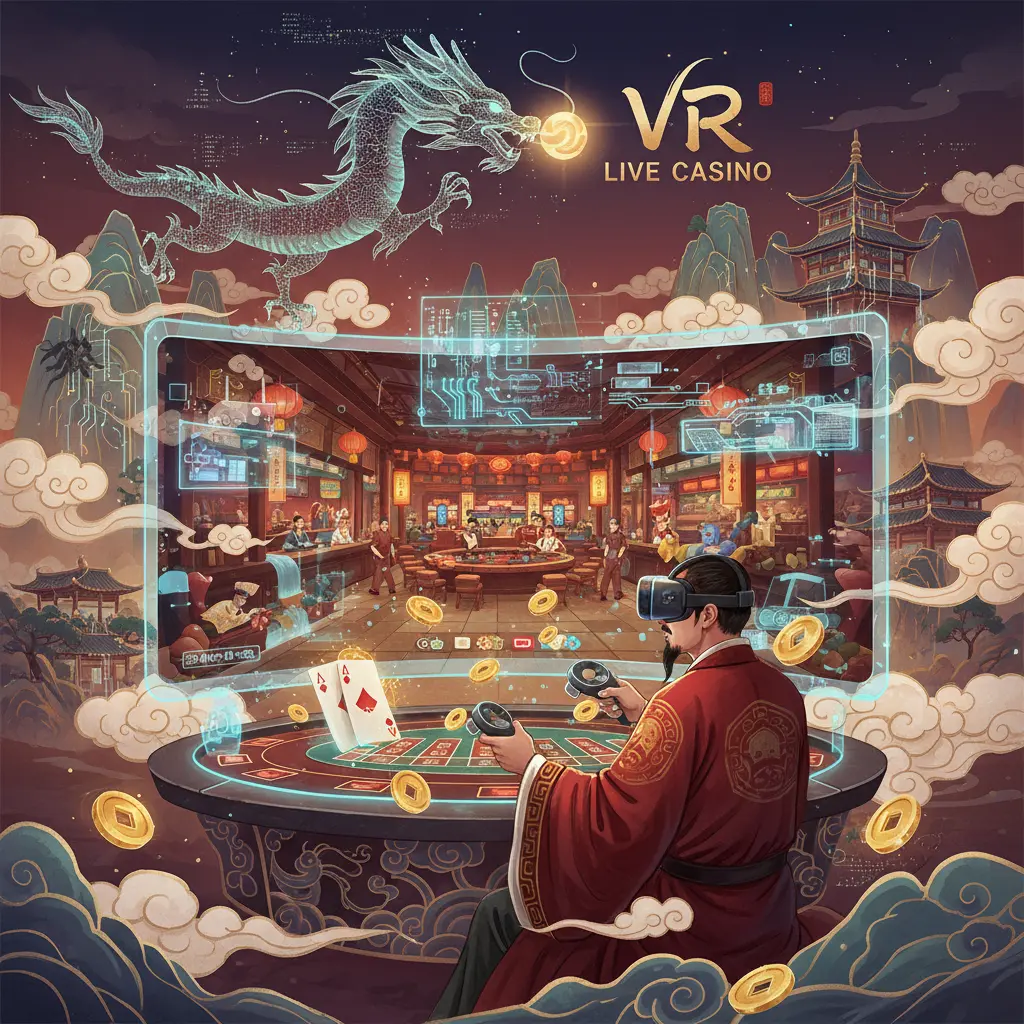
The rise of Virtual Reality (VR) is another game-changer, with providers like GammaStack pushing boundaries to create hyper-realistic live dealer casinos. Imagine stepping into a VR-enabled Blackjack VZN table where you can read the dealer’s subtle cues or interact with other players as if you were in a brick-and-mortar casino. This hybrid gameplay merges traditional live casino games with next-gen tech, appealing to both purists and tech-savvy audiences. Meanwhile, gameshow-style content like Deal or No Deal and Who Wants to Be a Millionaire leverages random number generators (RNGs) for fairness while retaining the thrill of live game presenters—proving that innovation doesn’t sacrifice nostalgia.
Behind the scenes, security protocols and integrity in gaming remain top priorities. Studios now employ AI-driven monitoring to detect anomalies in live casino streaming, ensuring compliance with regulated markets. For instance, PokerStars uses multi-angle cameras and encrypted data feeds to prevent tampering, while LuckyStreak integrates biometric authentication for dealer verification. These advancements not only protect players but also elevate the iGaming sector’s credibility. On the mobile gaming front, mobile optimization ensures smooth gameplay on smartphones, with adaptive bitrate streaming minimizing lag—a critical feature for fast-paced games like Jumanji or Family Feud Live.
The future of live casino studios lies in personalization. Providers are experimenting with AI to tailor game recommendations based on player behavior, while dynamic lighting and soundscapes heighten immersion. Whether it’s the tactile feel of a live dealer games interface or the social buzz of a shared high-definition video table, the tech driving this sector is as much about human connection as it is about pixels and algorithms. As casino game development continues to innovate, one thing’s clear: the line between virtual and physical casinos has never been blurrier—or more exciting.
Professional illustration about Virtual
Studio Setup Guide
Studio Setup Guide for Next-Level Live Casino Experiences in 2025
Setting up a high-performance Live Casino Studio in 2025 requires a blend of cutting-edge technology, strategic design, and seamless real-time interaction to deliver immersive entertainment. Whether you're partnering with industry giants like LuckyStreak, Playtech, or PokerStars, or working with specialized providers like GammaStack, the foundation lies in three core elements: gaming equipment, high-definition video streaming, and integrity in gaming protocols.
1. Hardware & Streaming Infrastructure
The backbone of any studio is its HD streaming capability. Invest in 4K cameras with low-latency output (under 500ms) to ensure smooth live casino streaming across devices. Pair this with professional lighting rigs and green screens for dynamic backdrops—critical for games like Quantum Roulette or Mega Fire Blaze, where visual effects enhance the player experience. A Game Control Unit (GCU) is non-negotiable; it syncs gameplay data (e.g., card deals in Blackjack VZN) with the video feed, while Optical Character Recognition (OCR) translates physical actions (like a dealer’s hand movement) into digital data for fairness audits.
2. Software & Game Integration
Modern studios leverage hybrid gameplay, merging traditional live dealer games with interactive elements. For example:
- Gameshow-style content like Deal or No Deal or Who Wants to Be a Millionaire requires customizable UI overlays and real-time audience polling tools.
- Virtual Reality (VR) compatibility is rising—studios like LuckyStreak now offer VR-enabled tables for PokerStars tournaments, requiring 360-degree camera setups.
Ensure your Random Number Generator (RNG) is certified for regulated markets to maintain transparency, especially for hybrid games blending RNG mechanics with live dealers.
3. Human & Operational Factors
Game presenters are the face of your brand. Train them to engage viewers naturally—think of how Family Feud hosts balance humor with pace. Studios should also:
- Design ergonomic layouts: Dealers need clear sightlines to cameras and monitors displaying player bets.
- Implement security protocols like biometric access for staff and encrypted data pipelines to protect real money gaming transactions.
- Optimize for mobile gaming by testing streams on 5G networks; over 60% of players now access live dealer casinos via smartphones.
Pro Tip: For niche markets, consider thematic studios. A Jumanji-themed setup could feature jungle backdrops and sound effects, while a high-stakes poker room might emulate a Las Vegas VIP lounge. The key is aligning aesthetics with your target audience’s expectations for casino entertainment.
By focusing on these pillars—hardware precision, software flexibility, and human-centric design—your studio will stand out in the competitive iGaming sector of 2025.

Professional illustration about Casino
Real-Time Streaming
Real-Time Streaming: The Backbone of Live Casino Innovation
In 2025, real-time streaming is the lifeblood of the live casino industry, delivering seamless, high-definition video streams that bridge the gap between players and game presenters. Platforms like LuckyStreak, Playtech, and PokerStars leverage cutting-edge technology to ensure ultra-low latency, making every hand of Blackjack VZN or spin of Quantum Roulette feel instantaneous. The magic lies in the Game Control Unit (GCU), a hardware-software hybrid that encodes and transmits live footage with studio-grade clarity. Combined with Optical Character Recognition (OCR), it digitizes card values and roulette results in milliseconds, syncing them with the Random Number Generator (RNG) for airtight fairness.
The rise of hybrid gameplay—think Deal or No Deal or Who Wants to Be a Millionaire—has pushed streaming tech even further. These gameshow-style content titles demand flawless synchronization between live hosts, interactive elements, and player inputs. For example, Mega Fire Blaze roulette blends live dealers with animated multipliers, requiring sub-second delays to maintain immersion. Studios like GammaStack now prioritize mobile optimization, ensuring HD streaming adapts to 5G networks and varying bandwidths without buffering. The result? A player experience that’s as smooth on smartphones as it is on desktops.
Security is another critical layer. Regulated markets demand integrity in gaming, so top-tier live casino studios employ security protocols like end-to-end encryption and multi-camera angles to prevent fraud. Virtual Reality (VR) is also creeping into the space, with early adopters testing VR-enabled live dealer games for deeper real-time interaction. Imagine stepping into a Jumanji-themed blackjack table via VR—this could soon be mainstream.
For operators, investing in gaming equipment and casino game development tailored for real-time streaming is non-negotiable. The iGaming sector’s gold standard? Zero perceptible lag. Whether it’s Family Feud-inspired bonus rounds or live casino streaming of classic poker, the tech must be invisible, letting the immersive entertainment shine. The future? Even smarter compression algorithms and AI-driven bandwidth adjustments to keep high-definition video flawless across all devices.

Professional illustration about Casino
Game Fairness Tech
Game Fairness Tech is the backbone of trust in the live casino industry, ensuring players get a transparent and secure gaming experience. In 2025, top providers like LuckyStreak, Playtech, and PokerStars leverage cutting-edge tools to guarantee fairness, from Random Number Generators (RNGs) to Optical Character Recognition (OCR). These technologies work behind the scenes to validate every card dealt in Blackjack VZN or every spin in Quantum Roulette, making sure outcomes are truly random and untampered. For instance, Game Control Units (GCUs)—the "brain" of live dealer setups—encode game data in real time, while high-definition video streams let players watch every move, from shuffles to dice rolls, eliminating doubts about integrity.
The rise of hybrid gameplay—blending RNG mechanics with live interactions—has further elevated fairness standards. Take Mega Fire Blaze or Deal or No Deal: these gameshow-style titles use RNGs for bonus rounds but rely on live game presenters for human-hosted segments, creating a seamless mix of luck and skill. Meanwhile, GammaStack and other developers now integrate VR elements into live casino streaming, allowing players to inspect tables virtually, adding another layer of transparency. Security protocols like end-to-end encryption and multi-factor authentication protect these systems, especially in regulated markets where audits are mandatory.
For players, understanding fairness tech is key. Here’s what to look for:
- Certified RNGs: Reputable studios display third-party certifications (e.g., eCOGRA) proving their algorithms are unbiased.
- OCR accuracy: This tech digitizes physical actions (like a dealer’s hand in Who Wants to Be a Millionaire) into verifiable data, syncing with gameplay logs.
- Real-time interaction: The best live dealer casinos let players chat with dealers or request camera angle changes, reinforcing trust.
Even mobile-optimized platforms now prioritize fairness, with HD streaming adapting to smaller screens without compromising data integrity. Whether you’re playing Jumanji-themed slots or Family Feud-inspired games, studios invest heavily in gaming equipment and integrity in gaming measures to stay competitive in the iGaming sector. The result? Players enjoy immersive entertainment without questioning the odds—because in 2025, fairness isn’t just promised; it’s technologically enforced.

Professional illustration about Streaming
Dealer Interaction
Dealer Interaction in Live Casino Studios: The Human Touch in Digital Gaming
One of the most compelling aspects of Live Casino Games is the real-time interaction between players and Game Presenters, which bridges the gap between virtual and land-based casinos. Unlike traditional online games powered by Random Number Generator (RNG), live dealer games feature actual humans dealing cards or spinning roulette wheels, creating an authentic and engaging experience. Leading providers like LuckyStreak, Playtech, and PokerStars invest heavily in training dealers to deliver flawless performances while maintaining a charismatic presence. For example, Blackjack VZN and Quantum Roulette rely on dealers who not only follow strict protocols but also engage players with witty banter, enhancing the player experience.
The Role of Technology in Seamless Dealer Interaction
Behind the scenes, advanced gaming equipment like the Game Control Unit (GCU) and Optical Character Recognition (OCR) ensures smooth communication between dealers and players. The GCU encodes every action—from card shuffles to wheel spins—into high-definition video streams, while OCR translates physical game outcomes into digital data for instant results. This tech is crucial for hybrid games like Mega Fire Blaze or Deal or No Deal, where dealers interact with both studio audiences and online players simultaneously. Studios like GammaStack also integrate Virtual Reality (VR) to elevate immersion, allowing players to virtually "sit" at the table and chat with dealers via 3D avatars.
Balancing Professionalism and Entertainment
The best live dealer casinos strike a delicate balance between professionalism and entertainment. Dealers are trained to handle high-pressure scenarios—like resolving disputes in PokerStars' live poker rooms—while keeping the mood light for gameshow-style content like Family Feud or Who Wants to Be a Millionaire. Live Casino Streaming quality plays a huge role here; studios use HD streaming and multi-camera setups to capture every nuance, from a dealer’s smile to the shuffle of a deck. Providers also prioritize mobile optimization, ensuring seamless interaction even for players on smartphones.
Security and Fairness in Live Dealer Games
Trust is paramount in the iGaming sector, so regulated markets require rigorous security protocols. Dealers follow strict scripts to avoid influencing outcomes, and studios use encrypted feeds to prevent tampering. For instance, Jumanji-themed live games incorporate transparent mechanics to reassure players of integrity in gaming. The combination of human oversight and tech safeguards—like real-time auditing of the RNG for hybrid elements—ensures fairness without sacrificing the thrill of real money gaming.
Future Trends: Where Dealer Interaction Is Headed
The future of Live Casino Studios lies in deeper interactivity. Imagine AI-assisted dealers who remember player preferences or VR-enabled environments where you can high-five your dealer after a big win. Providers are already experimenting with gameshow-style content that blends live hosts with interactive gameplay, pushing the boundaries of casino entertainment. As casino game development evolves, one thing remains constant: the human connection at the heart of live dealer games will always be the ultimate draw.

Professional illustration about Casino
Multi-Camera Angles
Multi-Camera Angles: Elevating the Live Casino Experience
One of the most game-changing advancements in live casino studio technology is the use of multi-camera angles, which transforms how players engage with live dealer games. Unlike traditional online casinos, live casino streaming leverages high-definition video feeds from multiple perspectives, creating an immersive entertainment experience that rivals brick-and-mortar casinos. Leading providers like LuckyStreak, Playtech, and PokerStars have integrated sophisticated camera setups to capture every detail—from the dealer’s hands shuffling cards to close-ups of the roulette wheel in action.
For example, in Blackjack VZN or Quantum Roulette, players can toggle between wide-angle shots of the entire table and tight close-ups of the cards being dealt. This level of visual flexibility not only enhances transparency but also builds trust, as players can verify game outcomes in real-time. The Game Control Unit (GCU), a cornerstone of live casino tech, syncs seamlessly with these cameras to ensure flawless high-definition video streams without latency. Meanwhile, Optical Character Recognition (OCR) technology translates physical actions (like a dice roll or card reveal) into digital data instantly, further enriching the player experience.
Why Multi-Camera Angles Matter
- Immersive Gameplay: Games like Mega Fire Blaze or Deal or No Deal thrive on dynamic visuals. Multiple angles let players feel like they’re sitting at the table, whether they’re on desktop or mobile-optimized platforms.
- Enhanced Fairness: With Random Number Generator (RNG) systems backing digital outcomes, multi-camera feeds add a layer of accountability. Players can watch the game presenters interact with physical elements (like a shuffled deck), reinforcing integrity in gaming.
- Hybrid Game Show Appeal: Titles like Who Wants to Be a Millionaire or Jumanji blend live casino mechanics with gameshow-style content. Multi-camera setups capture the host’s reactions, audience interactions, and bonus rounds, creating a real-time interaction that’s as engaging as TV.
Behind the Scenes: How Studios Execute Multi-Camera Streaming
Top-tier live casino studios invest in broadcast-grade equipment to deliver HD streaming without glitches. Companies like GammaStack specialize in casino game development, integrating robotic cameras that auto-adjust to follow action (e.g., a roulette ball’s spin). The result? A cinematic flow that keeps players glued to their screens.
For operators, optimizing multi-camera angles isn’t just about technology—it’s about strategy. Here’s what works in 2025:
- Prioritize Mobile: Over 60% of live casino games are now played on smartphones. Studios must ensure camera feeds are compressed for smooth mobile gaming without sacrificing quality.
- Balance Perspectives: Too many angles can overwhelm. Stick to 3–4 key views (table-wide, dealer close-up, chip tray, and wheel/card focus) for clarity.
- Sync with Interactive Features: In PokerStars’ live poker rooms, players can click on cards for zoomed-in views—a feature that relies on perfectly timed camera switches.
The Future: VR and Beyond
While multi-camera angles are already a staple, the next frontier is Virtual Reality (VR) integration. Imagine stepping into a live casino studio via VR headsets, where you can “walk around” the table and choose your viewing angle manually. Early adopters like LuckyStreak are experimenting with this for real money gaming, blending traditional multi-camera setups with VR’s 360-degree depth.
For now, though, mastering multi-camera technology remains critical for studios aiming to dominate the iGaming sector. Whether it’s the suspense of Family Feud’s live bonus rounds or the precision of Quantum Roulette’s numbered pockets, players expect—and deserve—a front-row seat to the action.

Professional illustration about Playtech
Low Latency Gaming
Low Latency Gaming: The Backbone of Seamless Live Casino Experiences
In the fast-paced world of live casino games, low latency isn’t just a technical perk—it’s the difference between an immersive, real-money gaming session and a frustrating disconnect. Leading providers like LuckyStreak, Playtech, and PokerStars invest heavily in cutting-edge live casino studio technology to ensure near-instantaneous interactions between players and game presenters. Imagine playing Blackjack VZN or Quantum Roulette where every card flip or wheel spin happens in real time, with no lag disrupting the thrill. That’s the power of optimized HD streaming paired with robust security protocols—key ingredients for trust in regulated markets.
Why Low Latency Matters in Live Dealer Casinos
For real-time interaction to feel authentic, delays must be minimal. A delay of even a few seconds can break the illusion of sitting at a physical table, especially in high-stakes games like poker or Mega Fire Blaze slots. Studios leverage advanced gaming equipment, such as Game Control Units (GCUs) and Optical Character Recognition (OCR), to capture and transmit data instantly. For example, GammaStack’s studios integrate these tools to sync high-definition video streams with Random Number Generator (RNG) outcomes, ensuring fairness while keeping gameplay fluid. Mobile optimization is another critical layer; with over 60% of players accessing live dealer casinos on smartphones, providers prioritize mobile gaming performance to maintain low latency across devices.
Tech Innovations Driving the Future
The rise of Virtual Reality (VR) and hybrid gameplay is pushing latency standards even higher. Picture stepping into a VR version of Deal or No Deal, where your gestures trigger instant responses from the host—this level of immersive entertainment demands sub-second latency. Meanwhile, gameshow-style content like Who Wants to Be a Millionaire or Family Feud Live relies on seamless audience participation, which only works if the tech behind the scenes is flawless. Providers are also experimenting with edge computing to reduce data travel time, a game-changer for live casino streaming in regions with weaker infrastructure.
Player Experience and Integrity: The Non-Negotiables
At its core, low latency enhances player experience, but it also upholds integrity in gaming. When a live casino studio broadcasts in ultra-HD with zero lag, players can trust that outcomes aren’t manipulated. This is especially vital for real money gaming, where transparency is paramount. Studios like those behind Jumanji Live or Quantum Roulette often publish their latency metrics to build trust, showcasing how their security protocols and gaming equipment work in tandem to deliver fair, uninterrupted action.
The Bottom Line for Operators and Developers
For anyone in the iGaming sector, investing in low-latency tech isn’t optional—it’s a competitive edge. Whether you’re streaming classic table games or gameshow hybrids, the goal is clear: make every millisecond count. From casino game development to live dealer casinos, the studios that master this balance will dominate the next era of casino entertainment.

Professional illustration about PokerStars
4K Streaming Quality
4K Streaming Quality
The rise of 4K streaming quality has revolutionized the live casino experience, delivering high-definition video that immerses players in ultra-clear, lifelike gameplay. Leading providers like LuckyStreak, Playtech, and PokerStars now leverage 4K technology to enhance real-time interaction, ensuring every card flip in Blackjack VZN or spin in Quantum Roulette is crystal clear. This level of visual fidelity is especially critical for live dealer games, where details like facial expressions of game presenters and real-time card movements impact player trust and engagement.
Why 4K Matters in Live Casino Streaming
Unlike standard HD, 4K streaming (3840 x 2160 resolution) eliminates pixelation, even on larger screens, making it ideal for gameshow-style content like Deal or No Deal or Who Wants to Be a Millionaire. The technology also supports hybrid gameplay, where digital elements (e.g., Mega Fire Blaze bonus rounds) blend seamlessly with live footage. For studios like GammaStack, integrating 4K means upgrading gaming equipment, including Game Control Units (GCUs) and Optical Character Recognition (OCR) systems, to process higher-resolution feeds without latency.
Technical Considerations for 4K Live Casino Streams
- Bandwidth Requirements: 4K streams demand robust internet connections (minimum 25 Mbps upload speed for studios). Providers optimize high-definition video streams using adaptive bitrate streaming to accommodate mobile gaming users.
- Mobile Optimization: While 4K shines on desktops, live dealer casinos must balance quality with compression for smoother mobile optimization. Solutions like H.265 encoding reduce file sizes without sacrificing clarity.
- Security Protocols: High-resolution streams require advanced encryption to protect real money gaming integrity. Technologies like Random Number Generators (RNGs) and blockchain-based verification are often paired with 4K to ensure fairness.
The Future: 4K Meets VR and Beyond
With Virtual Reality (VR) gaining traction, 4K acts as a bridge to fully immersive entertainment. Imagine stepping into a live casino studio via VR, where 4K textures make tables in Jumanji or Family Feud feel tangible. As the iGaming sector grows, expect 4K to become standard, driven by demand for player experience enhancements and regulated markets requiring transparent, high-quality streams.
For operators, investing in 4K isn’t just about visuals—it’s a competitive edge in casino entertainment, where every pixel builds trust and excitement.

Professional illustration about GammaStack
VR Casino Future
The VR Casino Future is rapidly transforming the live casino landscape, blending immersive entertainment with cutting-edge Virtual Reality (VR) technology. By 2025, industry leaders like LuckyStreak, Playtech, and PokerStars are pushing boundaries, offering players real-time interaction with game presenters in fully virtual environments. Imagine stepping into a live casino studio where you can walk around the roulette table, chat with dealers, and even high-five fellow players—all from your VR headset. This isn’t science fiction; it’s the next evolution of live dealer games, powered by advancements in high-definition video streaming and hybrid gameplay mechanics.
One of the most exciting developments is the integration of gameshow-style content like Deal or No Deal and Who Wants to Be a Millionaire into VR casinos. These formats thrive on real-time interaction, and VR amplifies the excitement by placing players inside the game. For example, Quantum Roulette and Mega Fire Blaze are already testing VR adaptations, where players can physically reach out to place bets or trigger bonus rounds. The key to this seamless experience lies in gaming equipment like the Game Control Unit (GCU), which ensures high-definition video feeds sync perfectly with VR motion tracking. Meanwhile, Optical Character Recognition (OCR) and Random Number Generator (RNG) technologies maintain integrity in gaming, critical for regulated markets.
But VR’s potential goes beyond replicating traditional live casino games. Innovators like GammaStack are exploring casino game development that leverages VR’s unique capabilities—think Blackjack VZN with holographic cards or Jumanji-themed adventures where players unlock bonuses by exploring virtual jungles. The focus is on player experience, with mobile optimization ensuring VR casinos are accessible beyond high-end headsets. For instance, lightweight VR apps now allow mobile gaming enthusiasts to join live casino streaming sessions with minimal latency, thanks to HD streaming advancements.
Security is another cornerstone of the VR casino future. As real money gaming expands into virtual spaces, security protocols must evolve. Leading platforms use biometric authentication and blockchain-backed RNGs to prevent fraud, while OCR tech monitors game fairness in real time. This is especially vital for iGaming sector stakeholders aiming to build trust in VR’s immersive entertainment offerings.
The road ahead isn’t without challenges. Bandwidth demands for high-definition video streams in VR remain steep, and not all players own VR hardware—yet. However, as tech becomes more affordable and 5G networks expand, the VR casino future is poised to redefine casino entertainment. Whether it’s poker nights with friends in a virtual lounge or solo adventures in gameshow-style content, VR is set to make live dealer casinos more engaging than ever.

Professional illustration about Control
Mobile Optimization
Mobile Optimization in Live Casino Studio Technology: Elevating the Player Experience in 2025
In 2025, mobile optimization isn’t just a feature—it’s the backbone of live casino streaming, with players demanding seamless, high-definition video streams and real-time interaction on their smartphones and tablets. Leading providers like LuckyStreak, Playtech, and PokerStars have prioritized mobile gaming, ensuring their live dealer games adapt flawlessly to smaller screens without sacrificing quality. For instance, Game Control Unit (GCU) technology now supports adaptive bitrate streaming, dynamically adjusting video quality based on the player’s internet connection. This ensures smooth gameplay even in areas with weaker signals, critical for retaining players in regulated markets where mobile dominates.
The rise of immersive entertainment has also pushed studios like GammaStack to innovate with hybrid gameplay formats. Games like Quantum Roulette and Mega Fire Blaze now feature mobile-first interfaces, with larger touch buttons and simplified navigation to accommodate thumb-friendly play. Meanwhile, gameshow-style content such as Deal or No Deal and Who Wants to Be a Millionaire leverages vertical video formats, mirroring social media trends to engage younger audiences. These adaptations aren’t just cosmetic; they’re backed by Optical Character Recognition (OCR) and Random Number Generator (RNG) systems optimized for mobile, ensuring integrity in gaming remains uncompromised.
For developers, mobile optimization extends beyond responsive design. High-definition video must load instantly, which is why top-tier live casino studios now use edge computing to reduce latency. Game presenters are trained to frame shots tighter for mobile screens, while gaming equipment like multi-angle cameras capture every detail of Blackjack VZN or Jumanji tables without clutter. Security is equally critical: security protocols like end-to-end encryption protect real money gaming transactions, a non-negotiable for players in the iGaming sector.
Here’s what sets apart the best mobile-optimized live casino games in 2025:
- Speed: Instant-loading lobbies and sub-second bet placement via touchscreen gestures.
- Adaptability: Auto-rotation support for landscape/portrait modes and customizable UI elements.
- Interaction: One-tap chat features for engaging with live dealers and other players.
- Cross-Platform Sync: Seamless switching between mobile and desktop without disrupting gameplay.
The future of casino entertainment hinges on mobile optimization, and studios that fail to prioritize it risk losing the 72% of players who now prefer gambling on-the-go. Whether it’s Virtual Reality (VR) integrations for headsets or AR-enhanced live dealer casinos, the focus remains on delivering player experience that’s as thrilling on a 6-inch screen as it is in a studio.

Professional illustration about Presenters
AI Dealers Rise
``markdown The rise of AI dealers is revolutionizing the live casino studio technology landscape, blending cutting-edge innovation with the authenticity of real-time interaction. Companies like LuckyStreak and Playtech are leading the charge, deploying AI-powered dealers that enhance player experience while maintaining the integrity of live dealer games. These virtual croupiers leverage high-definition video streams and Optical Character Recognition (OCR) to interpret player actions seamlessly, creating a bridge between traditional casino entertainment and futuristic immersive entertainment.
What sets AI dealers apart is their ability to adapt dynamically. For instance, in Blackjack VZN or Quantum Roulette, AI algorithms analyze player behavior to adjust game pacing, ensuring a balanced mix of excitement and fairness. The integration of Random Number Generators (RNG) guarantees transparency, while security protocols uphold trust in regulated markets. Unlike human game presenters, AI dealers operate 24/7 without fatigue, offering consistent performance across live casino streaming platforms like PokerStars or GammaStack-powered studios.
The technology also unlocks creative possibilities for gameshow-style content. Imagine AI dealers hosting hybrid versions of Deal or No Deal or Family Feud, where real money gaming meets interactive storytelling. Virtual Reality (VR) takes this further—players wearing headsets can step into Jumanji-themed blackjack tables or Mega Fire Blaze slots, with AI dealers responding to voice commands via natural language processing.
For developers, the focus is on mobile optimization and hybrid gameplay. AI dealers reduce reliance on physical gaming equipment like Game Control Units (GCU), cutting studio overhead. Yet, challenges remain: perfecting emotional nuance (e.g., a dealer’s celebratory remark after a big win) and ensuring HD streaming latency doesn’t disrupt immersion. As the iGaming sector evolves, AI dealers will likely become the standard, reshaping how we define casino game development and live casino games. ``

Professional illustration about Generator
Blockchain Security
Blockchain Security in Live Casino Studios: The Future of Trust and Transparency
In 2025, blockchain technology has become a game-changer for Live Casino studios like LuckyStreak, Playtech, and PokerStars, ensuring unparalleled security and fairness in live dealer games. By leveraging decentralized ledgers, these platforms guarantee that every hand of Blackjack VZN, spin of Quantum Roulette, or round of Deal or No Deal is tamper-proof. Unlike traditional systems relying solely on Random Number Generators (RNGs) or Optical Character Recognition (OCR), blockchain adds an immutable layer of verification. For instance, when a Game Presenter deals cards in Mega Fire Blaze, the transaction is recorded on-chain, allowing players to audit outcomes in real-time.
One standout application is GammaStack’s integration of blockchain with Game Control Units (GCUs), the hardware backbone of Live Casino Streaming. These units now cryptographically hash video feeds and gameplay data, ensuring high-definition video streams remain untampered from studio to player. This is critical for hybrid games like Jumanji or Family Feud Live, where real-time interaction must align with on-chain records. Players in regulated markets, such as New Jersey or Malta, can verify each bet’s integrity via public ledgers—a feature that’s reshaping player experience and trust.
Beyond transparency, blockchain elevates security protocols for real money gaming. Live Casino Games often face challenges like session hijacking or data manipulation, but decentralized validation mitigates these risks. For example, PokerStars now uses smart contracts to automate payouts in Who Wants to Be a Millionaire-style tournaments, eliminating manual errors. Similarly, LuckyStreak’s partnership with quantum-resistant blockchain networks ensures future-proof encryption for HD streaming and mobile gaming transactions.
The marriage of blockchain and Virtual Reality (VR) is another frontier. Imagine stepping into a Live Casino Studio via VR headsets, where every chip placement or wheel spin is mirrored on-chain. Startups are already piloting this with gameshow-style content, blending immersive entertainment with cryptographic audits. For operators, adopting blockchain isn’t just about compliance—it’s a competitive edge. Platforms that ignore this risk falling behind in an iGaming sector where players demand provable fairness.
Practical steps for studios? First, audit existing gaming equipment for blockchain compatibility. Upgrading GCUs or OCR systems to support hashing is foundational. Second, educate Game Presenters and staff about on-chain verification to enhance customer trust. Finally, collaborate with regulators to standardize blockchain’s role in integrity in gaming, especially for hybrid gameplay formats merging luck and skill. The tech isn’t just a buzzword; it’s the backbone of next-gen casino entertainment.

Professional illustration about Recognition
Live Chat Features
Live chat features have become the backbone of player engagement in today's live casino studio technology, transforming passive viewing into real-time interaction that mimics the social thrill of a brick-and-mortar casino. Leading providers like LuckyStreak, Playtech, and PokerStars now integrate advanced chat systems that allow players to communicate directly with game presenters, fellow participants, and even influence gameplay in gameshow-style content like Deal or No Deal or Who Wants to Be a Millionaire. For example, during Quantum Roulette or Blackjack VZN, players can ask the dealer to speed up the shoe or celebrate wins together, creating a sense of community. These features are optimized for mobile gaming, ensuring seamless high-definition video streams without lag, even when multitasking between bets and typing messages.
Behind the scenes, live chat is more than just a text box—it’s a carefully engineered tool tied to security protocols and integrity in gaming. Reputable studios like GammaStack employ optical character recognition (OCR) to monitor chat content, filtering out inappropriate language or collusion attempts while allowing harmless banter. The system also logs interactions for dispute resolution in regulated markets, adding a layer of transparency. Meanwhile, game control units (GCUs) sync chat timestamps with random number generator (RNG) outcomes, so players can verify that a dealer’s response (e.g., "Your 21 beats my 20!") matches the action on screen. This is critical for trust in real money gaming, especially in hybrid formats like Mega Fire Blaze or Jumanji, where bonus triggers often spark celebratory exchanges.
For operators, live chat analytics reveal goldmines of data. Heatmaps show peak engagement during Family Feud-style side bets or immersive entertainment segments, guiding studios to allocate gaming equipment and staff more efficiently. Some platforms even use AI to auto-translate messages for global audiences—a game-changer when live casino streaming attracts players from Japan to Brazil. However, the human touch remains irreplaceable: charismatic dealers who riff on player jokes or recall regulars’ names elevate the player experience far beyond static live dealer games.
Pro tip: To maximize retention, studios should train game presenters to leverage chat dynamically. For instance, during lulls in PokerStars tournaments, dealers might share trivia about the iGaming sector or prompt viewers to predict the next card—a tactic that boosts dwell time. Meanwhile, casino game development teams are experimenting with virtual reality (VR) integrations, where voice chat could replace typing for hands-free interaction. As of 2025, the frontier is hybrid gameplay like Deal or No Deal Live, where chat votes collectively influence the banker’s offers—blurring the line between participation and spectating.
Ultimately, live chat isn’t just a feature; it’s the pulse of casino entertainment. Whether it’s a high roller joking with a dealer in Mega Fire Blaze or a newbie getting tips during Blackjack VZN, these micro-interactions build loyalty far more effectively than any static promo. For developers, the next challenge is scaling personalization—imagine AI suggesting chat prompts based on a player’s bet history ("Congrats on your roulette streak! Try Quantum Roulette next?"). One thing’s certain: in the live casino ecosystem, silence is the only unsustainable strategy.

Professional illustration about Blackjack
Game Variety Trends
Game Variety Trends in 2025: How Live Casino Studios Are Elevating Player Experience
The live casino industry in 2025 is all about diversity and immersion, with operators like LuckyStreak, Playtech, and PokerStars pushing the boundaries of live casino games through innovative formats. Players now demand more than just classic table games—they want real-time interaction, gameshow-style content, and hybrid gameplay that blends traditional gambling with immersive entertainment. Here’s how studios are keeping up with these evolving trends:
1. Gameshow Mania Takes Over
Games inspired by TV classics like Deal or No Deal, Family Feud, and Who Wants to Be a Millionaire have exploded in popularity, thanks to their engaging game presenters and high-energy formats. These titles use Optical Character Recognition (OCR) and Game Control Units (GCUs) to ensure seamless gameplay, while high-definition video streams make every spin, deal, or bonus round feel like a primetime show. For example, Playtech’s live version of Deal or No Deal integrates real-time banker negotiations, creating a dynamic player experience that’s hard to replicate in digital RNG games.
2. VR and Hybrid Gameplay
Virtual Reality (VR) is no longer a futuristic gimmick—it’s a core component of live casino streaming. Studios like GammaStack are developing VR-compatible tables where players can "sit" next to others in a digital environment while interacting with live dealers. Meanwhile, Quantum Roulette and Mega Fire Blaze combine RNG-based bonuses with live dealer action, offering the best of both worlds. This hybrid gameplay appeals to players who crave the authenticity of live dealer casinos but enjoy the fast pace of slots.
3. Niche and Themed Tables
Beyond blackjack and roulette, studios are introducing themed games like Jumanji Live and Blackjack VZN, which incorporate storytelling elements and bonus triggers. These games leverage mobile optimization to cater to players on the go, ensuring smooth HD streaming even on smaller screens. LuckyStreak, for instance, has gained traction with its cinematic approach to live poker, using multiple camera angles and augmented reality overlays to heighten suspense.
4. Tech-Driven Integrity and Engagement
With regulated markets becoming stricter, security protocols and Random Number Generators (RNGs) are now more transparent than ever. Studios highlight their use of gaming equipment like RFID-enabled cards and biometric dealer authentication to build trust. Additionally, real-time interaction features—such as live chat with dealers or audience voting in gameshows—keep players engaged longer.
What’s Next?
The iGaming sector will continue experimenting with casino game development, especially in gameshow-style content and VR integration. As live casino studios invest in high-definition video and mobile gaming enhancements, players can expect even more personalized and immersive experiences in the coming years. Whether it’s through integrity in gaming measures or cutting-edge gaming equipment, the focus remains on delivering casino entertainment that feels both thrilling and secure.
Pro Tip for Operators: To stand out in 2025, prioritize mobile-optimized live games with unique themes or interactive elements. Partnering with tech providers like GammaStack or leveraging Playtech’s latest GCU innovations can give your platform an edge in this competitive space.

Professional illustration about Deal
Player Analytics
Player Analytics in Live Casino Studios: Elevating Engagement & Security
The rise of live casino games has transformed how operators like LuckyStreak, Playtech, and PokerStars leverage player analytics to refine real-time interaction and player experience. In 2025, studios harness advanced tools like Optical Character Recognition (OCR) and Game Control Units (GCUs) to track behavior, preferences, and engagement patterns. For example, Quantum Roulette and Mega Fire Blaze tables analyze bet frequency, dwell time, and reaction to game presenters, optimizing everything from high-definition video streams to dealer pacing.
One breakthrough is the integration of Virtual Reality (VR) with analytics, allowing studios to measure immersion levels. Brands like GammaStack use eye-tracking in VR-enabled live dealer casinos to see where players focus—whether on the Random Number Generator (RNG) display or the dealer’s gestures—then adjust UI elements for mobile optimization. This data also helps tailor gameshow-style content like Deal or No Deal or Who Wants to Be a Millionaire, where pacing and suspense are critical.
Security protocols are another priority. Real-time analytics flag anomalies, such as irregular betting in Blackjack VZN or PokerStars live tables, ensuring integrity in gaming. Studios cross-reference player actions with regulated markets compliance, using encrypted HD streaming feeds to prevent fraud. For instance, Jumanji-themed hybrid games combine live casino streaming with slots, requiring analytics to monitor transitions between hybrid gameplay modes for fairness.
Operators also personalize promotions using analytics. If a player consistently joins Family Feud live sessions at 8 PM, the system might offer timed bonuses. Similarly, mobile gaming data reveals device-specific preferences—like smaller bets on smartphones versus desktop—helping studios optimize layouts.
Actionable Takeaways for Operators:
- Leverage OCR/GCU data to refine dealer interactions (e.g., adjusting game presenters’ banter based on player demographics).
- Test VR analytics in immersive entertainment to reduce latency in high-traffic games like Quantum Roulette.
- Audit security feeds hourly, especially for real money gaming, to align with iGaming sector regulations.
- Segment player cohorts by game type (e.g., live dealer games vs. gameshow-style content) to tailor bonuses.
From gaming equipment calibration to high-definition video angles, player analytics in 2025 isn’t just about numbers—it’s about crafting seamless, secure, and hyper-personalized casino entertainment.