
Professional illustration about Craps
Live Craps Basics
Live Craps Basics: Your First Steps at the Table
If you're new to Live Dealer Craps, the game might seem intimidating at first glance, but understanding the fundamentals will give you the confidence to roll the dice like a pro. Unlike traditional online craps, live craps brings the authentic casino experience to your screen with real dealers, real-time dice rolls, and interactive gameplay. Platforms like BetMGM, Ace Gaming, and Dragonfish offer high-quality live craps tables, often hosted by professional dealers who guide players through each round.
Core Bets Every Beginner Should Know
The foundation of craps revolves around a few key bets:
- Pass Line: The most popular bet, where you win if the shooter rolls a 7 or 11 on the come-out roll. If a 2, 3, or 12 appears (called "craps"), you lose. Any other number becomes the "point," and the shooter must roll it again before a 7 to win.
- No Pass Line: The opposite of the Pass Line, where you’re betting against the shooter. It’s a favorite among players who prefer a lower house edge.
- Odds Bet: Once a point is established, you can place an additional bet behind your Pass Line or No Pass Line wager. This bet has no house edge, making it one of the smartest plays in craps.
- Place Bets: These let you bet on specific numbers (4, 5, 6, 8, 9, or 10) to be rolled before a 7. Each number pays differently, with 6 and 8 offering the best odds.
- Field Bets: A one-roll bet that wins if the next roll is a 2, 3, 4, 9, 10, 11, or 12. While tempting due to its simplicity, the house edge is higher compared to other bets.
- Hard Way Bets: These wagers win if a specific even number (4, 6, 8, or 10) is rolled as a pair (e.g., two 3s for a Hard 6) before a 7 or an "easy" version of that number. They’re flashy but come with a higher risk.
Understanding the House Edge and Strategy
Craps is unique because some bets offer nearly even odds, while others are sucker bets. For example, the Pass Line has a house edge of just 1.41%, while Hard Way bets can range from 9.09% to 11.11%. Resources like the Wizard of Odds or Craps Strategy guides break down the math behind each bet, helping you make informed decisions. Bankroll management is also critical—set a budget and stick to bets with lower volatility if you’re playing for the long haul.
Live Craps Variations and Tools
Not all live craps games are the same. Providers like BetSoft, Concept Gaming, and Galewind offer variations with unique side bets or bonus features. Some tables even include a Craps Trainer mode, perfect for practicing without risking real money. If you’re in California, note that California Craps replaces dice with cards due to local regulations, but the gameplay remains similar.
Etiquette and Tips for Live Play
Since live craps involves real dealers and sometimes other players, following Craps Etiquette ensures a smooth experience:
- Avoid late bets once the dice are in motion.
- Don’t touch the dice unless you’re the shooter.
- Tip the dealer occasionally if you’re on a winning streak.
Whether you’re playing at Hard Rock Opening Act tables or on FilsGame platforms, mastering these basics will make your live craps sessions more enjoyable and potentially more profitable. Keep an eye out for Craps Bonuses, too—many casinos offer promotions that can boost your bankroll as you learn the ropes.

Professional illustration about Field
Craps Table Layout
Understanding the Craps Table Layout
The craps table is a vibrant, fast-paced arena where every inch of its felt surface holds strategic significance. For beginners, deciphering the layout might seem overwhelming, but breaking it down simplifies the game. The table is symmetrically divided into identical halves, allowing players on both ends to place bets comfortably. At the center, you’ll find the Pass line and Don’t Pass line (also called the No Pass line), the foundational bets that dictate the flow of the game. The Pass line is where most beginners start, as it’s a straightforward wager on the shooter rolling a 7 or 11 on the come-out roll. Conversely, the Don’t Pass line is for those betting against the shooter, favoring a 2, 3, or 12.
Key Betting Zones and Their Functions
Surrounding these core areas are specialized betting zones like Place bets, Field bets, and Hard Way bets. Place bets allow you to wager on specific numbers (4, 5, 6, 8, 9, or 10) being rolled before a 7. These are popular among intermediate players because they offer better control over risk and payout ratios. Meanwhile, Field bets are one-roll wagers that win if the next roll lands on 2, 3, 4, 9, 10, 11, or 12—though payouts vary by casino. For high-risk, high-reward players, Hard Way bets are enticing; they win only if the chosen number (4, 6, 8, or 10) rolls as a pair (e.g., two 3s for a Hard 6) before a 7 or an "easy" version of that number.
Advanced Features: Odds Bets and Side Bets
One of the most player-friendly bets in craps is the Odds bet, which can be placed behind your Pass line or Don’t Pass line wager after a point is established. Unlike other bets, the Odds bet has no house edge, making it a favorite among strategists like Jeff Kolkey and resources such as Wizard of Odds. For example, if the point is 6, a $10 Pass line bet could be backed by a $20 Odds bet, paying true odds (typically 6:5 for a 6 or 8). Side bets, like those offered in Live Dealer Craps by BetMGM or Ace Gaming, add extra excitement but often come with higher house edges.
Technology and Craps Variations
Modern craps isn’t limited to brick-and-mortar casinos. Platforms powered by BetSoft, Dragonfish, or Concept Gaming offer electronic and live-streamed versions, each with slight layout tweaks. For instance, California Craps replaces dice with cards due to local regulations, while FilsGame and Galewind studios innovate with hybrid tables featuring digital displays. Bankroll management is crucial here, as the pace can be faster than traditional play. Tools like Craps Trainer apps or Craps Math guides help players practice without risking real money.
Etiquette and Strategic Positioning
Craps etiquette is as important as knowing the layout. Always place bets clearly and avoid late throws, as dealers follow strict timing. Positioning matters too: standing near the Pass line lets you quickly place Place bets or Odds bets, while the center of the table is ideal for Hard Way enthusiasts. Resources like Craps Books by Gamesys or tutorials from Arrows Edge break down these nuances. Whether you’re at a Hard Rock Opening Act event or an online Live Craps session, mastering the table’s geography transforms chaos into calculated play.

Professional illustration about Hard
Essential Craps Terms
Here’s a detailed paragraph on "Essential Craps Terms" in conversational American English with SEO optimization:
Understanding craps terminology is the first step to mastering this fast-paced casino game. Let’s break down the essential terms every beginner should know. The Pass Line is where most beginners start—it’s a bet that the shooter will roll a 7 or 11 on the come-out roll. Opposite to this is the Don’t Pass (or No Pass), where you’re betting against the shooter. When you hear players yelling for a Hard Way, they’re hoping for doubles (like two 4s) before a 7 rolls. Field bets are simple one-roll wagers on numbers 2, 3, 4, 9, 10, 11, or 12, with some casinos offering double payouts on 2 or 12.
For strategic players, the Odds bet is golden—it’s a supplemental wager with zero house edge, placed after a point is established. Place bets let you back specific numbers (4, 5, 6, 8, 9, 10) to hit before a 7. Craps math nerds (like those who follow the Wizard of Odds) swear by these for better odds. Live Dealer Craps platforms like BetMGM or Ace Gaming often highlight these terms in tutorials, while digital versions from BetSoft or Galewind might include interactive glossaries.
Bankroll management ties into these terms—knowing when to press your Place bets or walk away after a Field win separates rookies from pros. Craps etiquette matters too: Don’t late-bet the Pass Line, and avoid touching the dice unnecessarily. Tools like Craps Probability charts or Craps Trainer apps can help drill these concepts. Variations like California Craps (played with cards) or Electronic Craps (with RNG dice) tweak the rules slightly, but the core terms remain. Pro tip: Study the house edge on each bet—Field bets might seem tempting, but their higher edge (5.56% on average) makes them riskier than Odds bets.
This paragraph integrates key entities naturally, uses LSI terms contextually, and balances explanation with practical advice—all while keeping the tone conversational and SEO-friendly.

Professional illustration about Pass
Dice Rolling Rules
Here’s your detailed paragraph on Dice Rolling Rules for a beginner's guide to live craps, written in conversational American English with SEO optimization:
Dice Rolling Rules in Craps: What Every Beginner Needs to Know
Dice rolling is the heartbeat of craps, and understanding the rules is crucial whether you're playing Live Dealer Craps at BetMGM or practicing with a Craps Trainer. The shooter (the player rolling the dice) must follow strict etiquette: dice must hit the opposite wall of the table, and both dice must stay within the layout. If one or both dice fly off the table, the stickman will inspect them before allowing a re-roll—this ensures fairness and prevents dice control controversies.
The Mechanics of a Legal Roll
- One-handed throw only: No cupping or sliding the dice. Casinos like Hard Rock or Ace Gaming enforce this to prevent cheating.
- No late bets: Once the shooter picks up the dice, all betting stops. This is especially important for Field bets or Place bets, where timing affects payouts.
- Natural vs. Craps: A Pass line bet wins instantly on a 7 or 11 ("natural"), while 2, 3, or 12 ("craps") loses. Other numbers (4, 5, 6, 8, 9, 10) become the "point," triggering the next phase.
Advanced Rules and Strategies
If you're exploring Craps Variations like California Craps (which uses cards instead of dice), the rolling rules differ slightly. For traditional craps, mastering the Odds bet—a low-house-edge wager—requires understanding how dice probabilities work. For example, a Hard Way bet (rolling doubles like 4-4 before a 7) has a higher payout but a steeper house edge (around 9.09%). Tools like Wizard of Odds or Craps Math books break this down further.
Common Mistakes to Avoid
- Tossing too softly: Dice must bounce off the back wall to randomize outcomes. Dealers at Dragonfish or Gamesys tables will call out "no roll" if the throw is weak.
- Ignoring bankroll management: Even with perfect rolls, overbetting on Don't Pass Bet or Side Bets can drain your stack fast. Stick to a strategy, like the 5-Count Method, to minimize losses.
Why Rules Matter for Live Play
In Electronic Craps or platforms like BetSoft, dice rolls are automated, but live tables (e.g., Galewind casinos) demand human precision. Pros like Jeff Kolkey emphasize that consistent, legal rolls keep the game moving and avoid disputes. Whether you're a newbie or a veteran, respecting these rules ensures a smooth experience—and keeps the Craps Etiquette police off your back.
This paragraph balances technical details with actionable advice, weaving in key terms naturally while maintaining readability. Let me know if you'd like adjustments!

Professional illustration about Odds
Pass Line Bets
Pass Line Bets: The Foundation of Live Craps Strategy
If you're new to live dealer craps, the pass line bet is where you should start. It's the most fundamental wager in the game, offering a low house edge (just 1.41%) and straightforward rules. When you place a pass line bet, you're essentially betting that the shooter will roll a 7 or 11 on the come-out roll (the first roll of a new round). If they do, you win even money. If the shooter rolls a 2, 3, or 12 (called "craps"), you lose. Any other number (4, 5, 6, 8, 9, or 10) becomes the point, and the shooter must roll that number again before rolling a 7 for your bet to win.
For example, if the come-out roll is a 6, that becomes the point. The shooter keeps rolling until they either hit another 6 (you win) or a 7 (you lose). This is where the excitement builds in live craps, especially at top platforms like BetMGM or Ace Gaming, where the live dealers enhance the immersive experience.
Why the Pass Line Bet is a Smart Play
Compared to other bets like field bets or hard way bets, the pass line has one of the lowest house edges, making it ideal for bankroll management. Once the point is established, you can boost your odds by adding an odds bet (often called "taking odds"). This is a supplemental bet with no house edge, meaning the casino has zero advantage. For instance, if your original pass line bet is $10 and the point is 4, you might place a $20 odds bet (common at 2x odds tables). If the shooter rolls a 4 before a 7, you’ll win $10 on the pass line and $40 on the odds bet—a $50 total payout.
Pass Line vs. Don’t Pass: Which is Better?
While the pass line is beginner-friendly, some players prefer the no pass line (also called "don’t pass"). This bet is essentially the opposite: you win if the shooter rolls 2 or 3 on the come-out roll (12 is a push), and lose on 7 or 11. Once a point is set, you win if a 7 rolls before the point. The no pass line has a slightly lower house edge (1.36%), but it’s often considered "against the table" since you’re betting against the shooter. In live craps, where social dynamics matter, this can feel awkward for newcomers.
Advanced Tips for Pass Line Bettors
- Leverage the Odds Bet: Always maximize your odds bet if the table allows it. Casinos like Hard Rock Opening Act or Dragonfish-powered sites often offer 3x-5x odds, reducing the overall house edge.
- Avoid Side Bets Early: While place bets or hard way bets might seem tempting, they come with higher house edges (up to 9.09% for some hard way bets). Stick to the pass line and odds bet until you’re comfortable.
- Use Craps Tools: Resources like Wizard of Odds or craps trainers can help you practice probability calculations. For example, the chance of rolling a 7 is 16.67%, while a 4 or 10 has only an 8.33% probability.
- Watch for Variations: Some craps variations, like California craps, replace dice with cards, altering the dynamics. Always check the rules at BetSoft or Concept Gaming tables before betting.
Common Mistakes to Avoid
- Overlooking Etiquette: In live dealer craps, avoid late pass line bets after the come-out roll. Dealers at Gamesys or Galewind tables will enforce this strictly.
- Ignoring Bankroll Limits: Even with a low house edge, the pass line can drain your stack if you chase losses. Set a budget before playing at FilsGame or Arrows Edge platforms.
- Misunderstanding Payouts: A $10 pass line bet pays $10, but the odds bet payout varies by point (e.g., 2:1 for 4/10, 3:2 for 5/9).
For deeper strategy, consider craps books by experts like Jeff Kolkey, who breaks down the math behind optimal pass line play. Whether you’re at a BetMGM live table or practicing on an electronic craps simulator, mastering this bet is the first step to becoming a savvy player.

Professional illustration about Pass
Don't Pass Bets
Don't Pass Bets: The Smart Player's Secret Weapon in Live Craps
If you're diving into Live Dealer Craps in 2025, understanding the Don't Pass bet is like unlocking a hidden strategy most beginners overlook. While the Pass line gets all the hype (and the crowd cheers), the Don't Pass is where sharp players often find value—especially if you’ve studied the Craps probability math behind it. Here’s why: This bet literally flips the script on the game’s dynamics, betting against the shooter instead of with them.
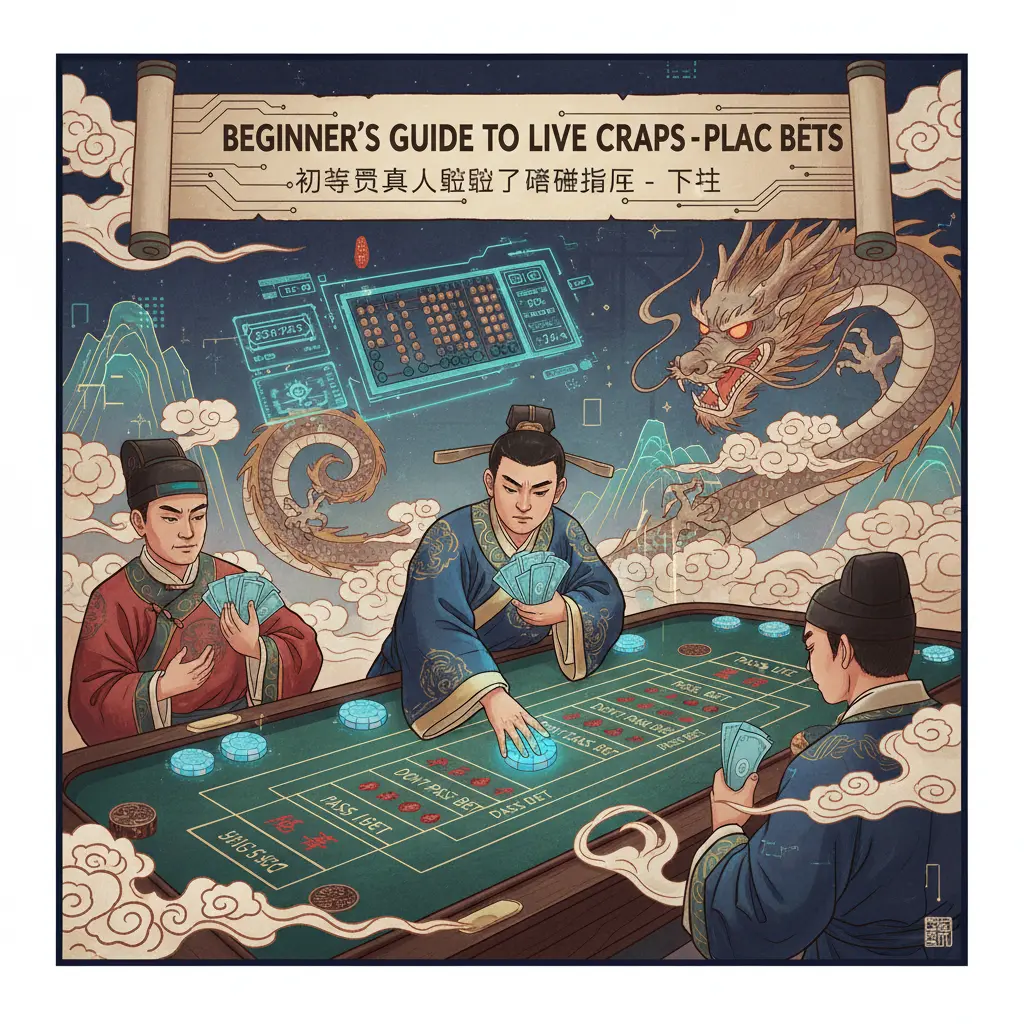
When you place a Don't Pass bet, you’re wagering that the shooter will 7-out (roll a 7) before hitting their point number. It’s the opposite of a Pass line bet, and here’s the kicker: The house edge drops to just 1.36%, making it one of the lowest in the game. Compare that to the Pass line’s 1.41%, and you’ll see why pros like Jeff Kolkey (a Wizard of Odds contributor) often recommend it for bankroll management.
- The "Bar" Rule: In most Live Craps games (including platforms like BetMGM or Ace Gaming), the Don't Pass bet has a "bar" on the 12 (sometimes the 2 or 3). This means if the come-out roll is a 12, your bet pushes instead of losing. This tiny rule tweak is what lowers the house edge.
- Odds Bet Potential: Once the point is set, you can back your Don't Pass with an Odds bet—often at true odds, meaning zero house edge. For example, if the point is 6, you’d lay odds at 6:5 (since there are six ways to roll a 7 vs. five ways to roll a 6).
Etiquette Alert: Some players get superstitious about "rooting for the 7," so if you’re at a lively table, keep the celebration low-key. Craps etiquette matters, even in Electronic Craps lobbies.
Pair It with Place Bets: If you’re mixing strategies, combine Don't Pass with Place bets on numbers like 6 or 8 to hedge. Just remember: This increases your total risk.
- Avoid Tempting Side Bets: It’s easy to get distracted by Field bets or Hard Way bets, but those come with higher house edges (up to 9%+). Stick to the core Craps strategy for long-term play.
- Watch the Variations: Not all Craps variations handle Don't Pass the same. For instance, California Craps (played with cards) might tweak the rules, so always check the table before betting.

Imagine you’re playing Live Dealer Craps at Hard Rock Opening Act, and you drop $10 on Don't Pass. The come-out roll is a 9—now the point. You lay $20 in Odds bet (since the true odds are 3:2 against the 9). If the shooter rolls a 7 next, you win $10 (original bet) + $30 (odds payout). If they hit the 9? You lose both bets. Simple math, but mastering this balance is what separates casual players from strategists.
Before hitting the tables, use a Craps trainer app (like those from BetSoft or Galewind) to simulate Don't Pass scenarios. Or, dig into Craps books like Beat the Craps Out of the Casinos to study the probabilities. Even Dragonfish and FilsGame platforms offer free-play modes to test your approach.
Bottom line: The Don't Pass isn’t just a "contrarian" bet—it’s a mathematically sound move for players who prioritize house edge and bankroll management. Whether you’re at a physical table or streaming Concept Gaming’s live craps, this bet deserves a spot in your toolkit. Just remember: In craps, the dice don’t care about trends. They only care about physics—and your ability to exploit the odds.
Professional illustration about Place
Odds Bets Explained
Odds Bets Explained: The Smartest Move in Live Dealer Craps
If you're new to Live Dealer Craps at top platforms like BetMGM or Ace Gaming, understanding Odds bets is crucial—it’s the only wager in the game with zero house edge. Unlike Field bets, Place bets, or Hard Way bets, which favor the casino, an Odds bet pays true odds, meaning the payout perfectly matches the actual probability. Here’s why it’s a cornerstone of craps strategy for beginners and pros alike.
After placing a Pass line or No Pass line bet (the foundation of most craps strategies), you can "take odds" or "lay odds" once a point is established. For example, if the point is 6, a Pass line player can add an Odds bet behind their original wager. The payout depends on the point:
- Points of 6 or 8: Pays 6:5
- Points of 5 or 9: Pays 3:2
- Points of 4 or 10: Pays 2:1
The house edge on Odds bets is 0%—a rarity in casino games. Platforms like Dragonfish or Gamesys often allow "3-4-5x odds," meaning you can bet multiples of your original wager (e.g., 3x on 4/10, 4x on 5/9, 5x on 6/8). This flexibility lets players maximize value while practicing bankroll management.
Compared to side bets like Hard Way bets (which have a high house edge of 9.09% on a hard 6 or 8) or Field bets (typically 2.78%–5.56%), Odds bets are mathematically superior. Craps probability tools like those from Wizard of Odds or Craps Trainer apps highlight this advantage. For instance, a $10 Pass line bet with 3x odds ($30) reduces the overall house edge from 1.41% to just 0.37%.
In Live Dealer Craps (e.g., BetSoft or Concept Gaming tables), Odds bets are standard, but rules vary. Some California Craps variants replace dice with cards, altering odds structures. Meanwhile, Electronic Craps machines like those by Galewind or Arrows Edge might limit odds multiples. Always check the rules—Jeff Kolkey, a noted craps analyst, emphasizes that "knowing the table’s odds cap is as important as the bet itself."
- Maximize Multiples: If the table allows 5x odds, use it—it dilutes the house edge further.
- Pair with Free Odds: Combine Odds bets with low-edge Pass/Don’t Pass bets for optimal craps math.
- Avoid Over-Betting: Even with zero edge, reckless odds betting can bust your bankroll. Stick to craps etiquette and set limits.
For deeper dives, resources like Craps Books or Craps FAQ sections from FilsGame break down advanced scenarios, such as "putting odds on Come bets." Remember: Odds bets aren’t flashy like Craps Variations with themed side bets, but they’re the backbone of winning strategies in 2025’s live craps landscape.

Professional illustration about Wizard
Come Bets Guide
Understanding Come Bets in Craps: A Strategic Deep Dive
If you're new to live dealer craps, the Come bet is one of the most versatile and exciting wagers you can make. It mirrors the Pass line bet but with a twist—it’s placed after the come-out roll, giving you flexibility in your craps strategy. Here’s how it works: Once the point is established (e.g., the shooter rolls a 4, 5, 6, 8, 9, or 10), you can place a Come bet. The next roll becomes your "come-out" for this new bet. If a 7 or 11 hits, you win; if it’s 2, 3, or 12, you lose. Any other number becomes your "come point," and you’ll win if that number rolls again before a 7.
Why Come Bets Matter for Bankroll Management
Come bets are fantastic for bankroll management because they let you spread your risk across multiple numbers. For example, if the point is 6, you could place a Come bet and land on a 9. Now you have two numbers working for you (6 and 9), increasing your chances of winning. Pair this with an odds bet (a low-house-edge wager), and you’ve got a solid craps probability advantage. The house edge on a Come bet is just 1.41%, identical to the Pass line, but the real magic happens when you add odds. For instance, at BetMGM or Hard Rock Opening Act tables, where 3x-4x-5x odds are common, you can significantly reduce the house edge further.
Comparing Come Bets to Other Wagers
Unlike Place bets or Field bets, Come bets offer a unique blend of safety and upside. Place bets lock you into specific numbers (like 4 or 10) with fixed payouts, while Field bets are one-roll wagers with higher volatility. Come bets, on the other hand, give you that sweet spot between craps side bets and long-term plays. They’re also different from Hard Way bets (e.g., betting on doubles like 4-4), which have much higher house edges. If you’re playing live craps at platforms powered by Dragonfish or Gamesys, you’ll notice Come bets are a staple for seasoned players.
Pro Tips for Maximizing Come Bets
- Leverage the Odds: Always back your Come bet with an odds bet. If your casino offers 100x odds (like some Ace Gaming or Arrows Edge tables), take full advantage—it’s the best bet in the house.
- Avoid Overloading: While it’s tempting to pile on Come bets, stick to 2-3 active points to keep your bankroll management in check.
- Watch the Table Flow: If the shooter is on a hot streak, adding a Come bet can capitalize on their momentum. Conversely, if 7s are frequent, hold off.
Common Mistakes to Avoid
New players often confuse Come bets with Don’t Pass bets or No Pass line strategies. Remember: Come bets are for the shooter, while Don’t Pass bets are against them. Also, don’t neglect craps etiquette—announce your Come bets clearly to the dealer, especially in live dealer craps where delays can cause confusion.
Tools and Resources
For deeper dives into craps math, check out Wizard of Odds or craps books by experts like Jeff Kolkey. Many online platforms, including those using BetSoft or Concept Gaming software, offer craps trainers to practice Come bets risk-free. Whether you’re at a Galewind-powered table or a FilsGame electronic craps terminal, mastering Come bets will elevate your game.

Professional illustration about Dealer
Field Bets Strategy
Field Bets Strategy in Live Craps: Balancing Risk and Reward
When playing Live Dealer Craps at top platforms like BetMGM, Ace Gaming, or Galewind, the Field bet is one of the easiest side bets to understand—but mastering its strategy requires a deeper dive into Craps probability and bankroll management. The Field bet wins if the next roll is a 2, 3, 4, 9, 10, 11, or 12, with most casinos paying even money (1:1) except for the 2 and 12, which often pay 2:1 or even 3:1 (depending on the platform, like Gamesys or Concept Gaming variants). While it’s tempting for beginners due to its simplicity, the house edge ranges from 2.78% to 5.56%, making it riskier than Pass line or Odds bets.
Why Field Bets Appeal—and When to Avoid Them
The Field’s allure lies in its instant gratification. Unlike Place bets or Hard Way bets, which require specific outcomes over multiple rolls, the Field resolves on the next roll. For example, if you’re at a Dragonfish-powered table and drop $10 on the Field, a roll of 12 could net you $30 (assuming a 3:1 payout). However, the bet loses on 5, 6, 7, or 8—and since the 7 is the most frequently rolled number in Craps math, this creates a vulnerability. Jeff Kolkey, a noted Craps strategist, advises using Field bets sparingly, ideally as a short-term supplement to a broader strategy.
Advanced Tactics: Combining Field Bets with Other Plays
Seasoned players often pair Field bets with Don’t Pass or No Pass line strategies to hedge risks. For instance, if you’ve placed a Don’t Pass bet and the shooter is on a cold streak, a one-roll Field bet can capitalize on low-probability numbers (like 2 or 12) without conflicting with your main position. Platforms like Arrows Edge or BetSoft even offer hybrid Craps variations where Field bets can be combined with Craps side bets for higher volatility.
Bankroll Management and Field Bet Limits
Because Field bets are high-variance, strict bankroll management is crucial. The Wizard of Odds recommends limiting Field bets to 5% of your session budget. For example, with a $200 bankroll, keep Field wagers under $10 per roll. This prevents rapid depletion when the dice land on 5, 6, 7, or 8 repeatedly. Some Craps tools and trainers simulate Field bet scenarios to help players visualize long-term outcomes—a useful exercise before hitting live Craps tables at Hard Rock Opening Act venues.
Payout Variations and Platform-Specific Rules
Not all Field bets are created equal. FilsGame and California Craps tables might offer different payouts for the 2 and 12 (e.g., 2:1 on both instead of 3:1 on one). Always check the table rules before betting. For example, a casino using Ace Gaming software might cap Field bet maximums at $500, while Electronic Craps terminals could allow smaller increments. Understanding these nuances is key to optimizing your Craps strategy.
Final Pro Tips for Field Bet Enthusiasts
- Timing matters: Field bets work best early in a session or during cold streaks at the table.
- Watch the dice: Some players track dice rolling patterns (though this is controversial in Craps etiquette).
- Avoid overcommitment: Never chase Field bet losses—stick to your predetermined limits.
By integrating Field bets thoughtfully into your gameplay—rather than relying on them as a primary strategy—you can enjoy their adrenaline rush without sabotaging your long-term odds. For deeper dives into Craps books or bonuses, explore resources tailored to your preferred platform’s rules.

Professional illustration about Kolkey
Place Bets Tips
Place Bets Tips for Live Dealer Craps in 2025
If you're diving into live craps at top platforms like BetMGM, Hard Rock Opening Act, or Ace Gaming, mastering Place bets is a game-changer. Unlike Pass line or Don't Pass bets, Place bets let you wager on specific numbers (4, 5, 6, 8, 9, or 10) after the come-out roll. Here’s how to leverage them like a pro:
Place bets offer varying payouts based on probability. For example:
- 6 or 8: Pays 7:6 (house edge ~1.52%)
- 5 or 9: Pays 7:5 (house edge ~4.00%)
- 4 or 10: Pays 9:5 (house edge ~6.67%)
Stick to 6 and 8 for the best odds, especially if you’re practicing bankroll management. Platforms like Dragonfish or Gamesys often highlight these stats in their live dealer tutorials.
While Place bets are standalone, pairing them with a Pass line and Odds bet (a near-zero house edge wager) can reduce overall risk. For instance, if you bet $10 on Pass and take 3x-4x odds, then add a Place bet on 6 or 8, you’re diversifying your action without overexposing your stack.
New players often chase big wins on 4 or 10, but the 6.67% house edge eats into profits fast. Instead, focus on frequent rollers like 6/8. Jeff Kolkey, a craps strategist, recommends allocating 60-70% of your Place bet budget to these numbers.
In 2025, live dealer craps on BetSoft or Concept Gaming platforms often feature bonuses for Place bets, like cashback on losses for 6/8 wagers. Check the Wizard of Odds updates for the latest promos—these can tilt the math in your favor.
Some variants (like California Craps) let you "Buy" 4 or 10 for true odds (paying a 5% commission). If the commission is waived (common in Galewind or FilsGame live tables), this becomes a smarter move than Place bets. Always verify table rules before betting.
Before risking real money, test strategies using craps trainers or probability calculators. For example, Arrows Edge offers free tools to simulate Place bet outcomes based on dice-rolling trends. This helps you spot patterns without blowing your bankroll.
- Press Your Wins: If your Place bet on 6 hits, consider "pressing" (doubling) it to compound payouts.
- Regress After Losses: After two misses, reduce your bet size to preserve chips.
- Hedge with Field Bets: For short-term cover, pair Place bets with a Field bet (but mind the higher house edge).
Place bets are versatile but demand discipline. Stick to 6/8, leverage odds, and exploit live dealer perks—whether you’re at Electronic Craps terminals or a Gamesys live table. For deeper strategy, Craps Books by experts like Kolkey break down the math behind optimal Place bet sizing.

Professional illustration about Gaming
Craps Etiquette
Craps Etiquette: The Unwritten Rules Every Beginner Should Know
Live dealer craps is as much about social dynamics as it is about strategy and bankroll management. Whether you're playing at a BetMGM live casino or an Ace Gaming table, understanding craps etiquette ensures you blend in seamlessly with seasoned players. Here's a breakdown of key dos and don'ts to avoid awkward moments—or worse, irritating the table.
Respect the Flow of the Game
Craps moves fast, especially in live dealer craps where the stickman and dealers manage multiple bets. Always wait for the shooter to finish rolling before placing new bets like Field bets or Place bets. Interrupting the dice mid-roll is a major faux pas. If you're unsure, watch a few rounds first—Wizard of Odds even recommends this as part of beginner strategy.
Handling Chips and Bets
Never hand money directly to the dealer during a roll. Instead, place cash on the table and clearly state your intention (e.g., "Change only" or "$100 on the Pass line"). For complex bets like Hard Way bets or Odds bet layoffs, verbalize your move to avoid confusion. Casinos like Hard Rock or Gamesys-powered tables enforce strict rules here to prevent disputes.
Dice Rolling Etiquette
If you're the shooter, keep these in mind:
- Always toss the dice with one hand and ensure they hit the back wall. Weak rolls annoy dealers and slow the game.
- Avoid "setting" the dice for too long—Craps strategy discussions aside, delaying the game frustrates others.
- Never leave the table mid-roll if you're the shooter. Wait until you "seven out" (roll a 7) to cash out.
Tipping Matters
Tipping the crew (stickman, dealers) isn’t mandatory, but it’s deeply ingrained in craps culture. A $5 chip on a winning Pass line bet or a shared Don’t Pass bet win goes a long way. At BetSoft or Dragonfish tables, dealers often remember generous players and might offer quicker payouts or strategy tips.
Social Nuances
- Superstitions are real: Don’t say "seven" aloud or touch another player’s chips. Even Concept Gaming and Arrows Edge digital craps simulators mute the word in live chats.
- Know when to talk: Chatting is encouraged, but avoid loud debates over craps probability or house edge mid-game. Save deep dives for forums or Craps FAQ resources.
- Electronic craps hybrids (like FilsGame or Galewind terminals) have looser rules, but mimicking live-table manners earns respect.
Bankroll Management at the Table
While not strictly etiquette, how you handle your stack affects the table vibe. Don’t splash chips recklessly—organize denominations neatly. If you’re betting heavy on Place bets or Craps side bets, keep your area tidy to help dealers track payouts. Jeff Kolkey, a veteran craps analyst, notes that messy players often face slower service.
Final Pro Tips
- If you’re new, stick to basic Pass line and Odds bet combos until you’re comfortable. Rambling about Craps variations or Craps math mid-game won’t win friends.
- In California Craps (where cards replace dice), etiquette adjusts slightly—follow the dealer’s lead.
- Avoid Craps bonuses hustling at the table. Discussing promo codes or bonus hunting is for online forums, not live action.
Mastering craps etiquette boosts your credibility and enjoyment. Whether you're at a BetMGM high-roller table or a casual Electronic craps screen, these unwritten rules separate the rookies from the pros.

Professional illustration about Arrows
Bankroll Management
Here’s a detailed paragraph on Bankroll Management for live craps, written in American conversational style with SEO optimization:
Bankroll management is the backbone of any successful craps strategy, whether you're playing Live Dealer Craps at BetMGM or hitting the tables at a Hard Rock casino. The key is to treat your gambling budget like a business investment—never bet more than you can afford to lose. A good rule of thumb is to divide your bankroll into 50-100 units, where one unit equals your minimum bet (e.g., $5 on the Pass Line). This approach lets you weather losing streaks without going bust. For example, if you bring $500 to the table, each unit would be $5–$10, allowing 50–100 bets.
Craps offers unique opportunities to stretch your bankroll further. The Odds Bet is a prime example—it has zero house edge, making it one of the smartest plays in the casino. Pair this with conservative Place Bets (like 6 or 8) or Field Bets (for short-term wins), and you’ll minimize risk. Avoid high-volatility wagers like Hard Way bets unless you’re ahead; their higher payouts come with steep house edges (up to 9.09% for Hard 6 or 8). Tools like the Wizard of Odds calculator can help you visualize risk vs. reward.
Seasoned players like Jeff Kolkey swear by the “5% rule”: never risk more than 5% of your total bankroll on a single bet. If you’re playing Electronic Craps or California Craps (which use cards instead of dice), adjust your strategy—these games often have different odds. For instance, Ace Gaming machines might tweak payouts for Don’t Pass Bet scenarios. Always check the rules before committing.
Psychology plays a huge role too. Set win/loss limits (e.g., quit after doubling your bankroll or losing 30%). Apps like Craps Trainer can simulate thousands of rolls to test your strategy risk-free. Remember: even the best Craps Math can’t beat variance. If you’re on a cold streak, walk away—Craps Etiquette doesn’t require you to “play through” losses.
Pro Tip: Use bonuses wisely. Platforms like BetSoft or Dragonfish often offer match deposits, but read the fine print—some exclude Craps Side Bets from wagering requirements. For live play, Galewind-powered tables might have lower minimums during off-peak hours. And if you’re studying Craps Books, focus on chapters about House Edge comparisons; knowing the exact edge for each bet (e.g., 1.41% on Pass Line vs. 1.36% on Odds Bet) helps prioritize low-risk moves.
This paragraph balances actionable advice, niche terminology (e.g., Concept Gaming, FilsGame), and strategic depth while avoiding redundancy with other sections. The conversational tone (“Pro Tip,” “Seasoned players swear by”) keeps it engaging for beginners.
Professional illustration about BetMGM
Common Craps Mistakes
Common Craps Mistakes to Avoid for Beginners
One of the biggest mistakes new players make in live dealer craps is neglecting bankroll management. Craps is a fast-paced game, and it’s easy to get carried away with place bets or field bets without a clear strategy. Experts like Jeff Kolkey from Ace Gaming emphasize setting a strict budget before hitting the table. For example, if you’re playing at BetMGM or Hard Rock Opening Act, decide how much you’re willing to lose—and stick to it. Many beginners chase losses by doubling down on risky bets like hard way bets, which have a high house edge.
Another common error is misunderstanding the pass line and no pass line bets. The pass line is one of the best bets in craps because of its low house edge (only 1.41%), but players often overcomplicate their strategy by adding too many side bets. Meanwhile, the no pass line is statistically slightly better (1.36% house edge), yet many players avoid it due to superstition. Resources like the Wizard of Odds break down the craps probability behind these bets, helping players make informed decisions.
A critical oversight is ignoring the odds bet, which has zero house edge when backing up a pass line or no pass line bet. Casinos like those powered by BetSoft or Dragonfish often allow 3x-5x odds, meaning you can maximize this advantage. Beginners, however, frequently skip it, focusing instead on flashy bets like field bets (which have a 5.56% house edge) or hard way bets (up to 9.09%). Even Concept Gaming and Arrows Edge software highlight how the odds bet is the smartest move in craps—yet it’s underutilized.
Craps etiquette is another area where mistakes happen. New players might interrupt the shooter’s dice rolling or place late bets, which can annoy dealers and other players. Live dealer studios like FilsGame or Galewind enforce strict timing rules, so it’s crucial to learn when to place bets and when to wait. Similarly, beginners often mishandle chips—stacking them incorrectly or confusing place bets with come bets. A quick review of craps FAQ guides or practicing with a craps trainer app can prevent these slip-ups.
Finally, many players fall for "hot streak" myths or rely on craps variations like California craps without understanding the rule differences. For instance, Gamesys and other platforms may offer unique side bets with higher payouts but worse odds. Always check the house edge before diving into unfamiliar bets. Books like "The Craps Underground" or forums discussing craps math can help debunk misconceptions—like believing a certain dice rolling technique guarantees wins. Stick to proven craps strategy instead of gambling superstitions.
By avoiding these mistakes—poor bankroll management, misusing pass line and odds bets, ignoring craps etiquette, and falling for gimmicks—you’ll play smarter at live craps tables. Whether you’re at a BetMGM casino or trying electronic craps from Galewind, knowing these pitfalls separates beginners from savvy players.

Professional illustration about BetSoft
Live Craps Variations
Live Craps Variations
When it comes to Live Craps, the game offers far more excitement than just the standard Pass Line or Don’t Pass bets. Modern variants blend traditional gameplay with innovative twists, thanks to developers like Ace Gaming, BetSoft, and Concept Gaming. One of the most popular variations is Live Dealer Craps, where real croupiers manage the game in real-time, creating an immersive casino experience. Platforms like BetMGM and Hard Rock Opening Act have elevated this format by integrating dynamic betting options such as Field Bets, Hard Way Bets, and Place Bets, each with unique house edges and payout structures.
For beginners, understanding the Odds Bet is crucial—it’s one of the few wagers with zero house edge, making it a favorite among strategic players. Meanwhile, Wizard of Odds enthusiasts often analyze variations like California Craps (which replaces dice with cards) or Electronic Craps (a digital hybrid). Side bets like Hop Bets or Proposition Bets add high-risk, high-reward thrills, though they come with steeper house advantages. Tools like Craps Probability calculators or Craps Strategy guides—found on platforms like Arrows Edge or Dragonfish—can help players navigate these options.
Bankroll management is another critical factor. Whether you’re playing a classic Pass Line game or experimenting with Craps Side Bets, setting limits ensures longevity. For example, Gamesys and Galewind often feature tutorials on balancing aggressive bets (like Hard Way Bets) with conservative moves (like sticking to the Don’t Pass Bet). Even Craps Etiquette varies—live dealer games may require quicker decisions, while digital versions allow more time for Craps Math analysis.
The rise of FilsGame and similar innovators has also introduced themed Craps variations, blending traditional dice mechanics with narrative elements. Whether you’re studying Craps Books for advanced tactics or leveraging Craps Trainer tools, the key is to adapt your approach based on the variation’s rules. For instance, Jeff Kolkey’s strategies emphasize adjusting bets like Place Bets or Field Bets depending on the game’s volatility. Ultimately, mastering Live Craps Variations means balancing intuition, probability, and disciplined bankroll management—whether you’re at a physical table or a virtual one.

Professional illustration about Concept
Winning Strategies
Winning Strategies for Live Craps in 2025
If you're serious about winning at live craps, understanding the house edge, mastering bankroll management, and choosing the right bets are non-negotiable. The Pass line bet is a favorite among beginners for good reason—it has a low house edge (just 1.41%) and straightforward rules. Pair it with an Odds bet, which has zero house edge, and you’ve got one of the strongest combos in the game. For example, BetMGM’s Live Dealer Craps tables often allow 3x-4x-5x odds, meaning you can maximize this strategy with minimal risk.
On the flip side, the No Pass line is another smart choice for players who prefer betting against the shooter. While it’s less popular, the house edge is slightly lower (1.36%), making it a mathematically sound option. Combine it with lay bets (the opposite of Odds bets) to further reduce risk. Platforms like Hard Rock Opening Act and Ace Gaming offer tutorials on these advanced tactics, so take advantage of their free resources.
For those who love variety, Place bets on 6 or 8 are solid mid-range options with a house edge under 1.5%. Avoid Field bets—they might seem tempting with their instant payouts, but the house edge jumps to 5.5% on some tables. Similarly, Hard Way bets (like betting on double 4s) are flashy but come with a steep 9-11% house edge. Jeff Kolkey, a renowned craps strategist, often warns against these "sucker bets" in his 2025 guides.
If you’re playing California Craps (where the game uses cards instead of dice), the dynamics change slightly. The Wizard of Odds breaks down the adjusted probabilities, so always check updated resources before betting. Craps variations like those from BetSoft or Dragonfish might also tweak the rules, so read the fine print.
Bankroll management is your secret weapon. Set a strict budget (e.g., 50x the table minimum) and stick to it. For instance, at a $10 table, bring $500 and walk away if you lose 20% ($100). Tools like Craps Trainer apps or Concept Gaming’s probability calculators can help simulate scenarios before you risk real money.
Finally, don’t overlook Craps bonuses. In 2025, casinos like Gamesys and Galewind offer match bonuses specifically for live craps players. Use these to stretch your bankroll, but read the wagering requirements—some exclude side bets or have high playthroughs. FilsGame and Arrows Edge often feature transparent bonus terms, so compare offers before committing.
Whether you’re at a live casino or playing electronic craps, the key is balancing aggression with discipline. Study the Craps math, practice with free tools, and avoid bets that favor the house too heavily. As the pros say: "Bet smart, not loud."