

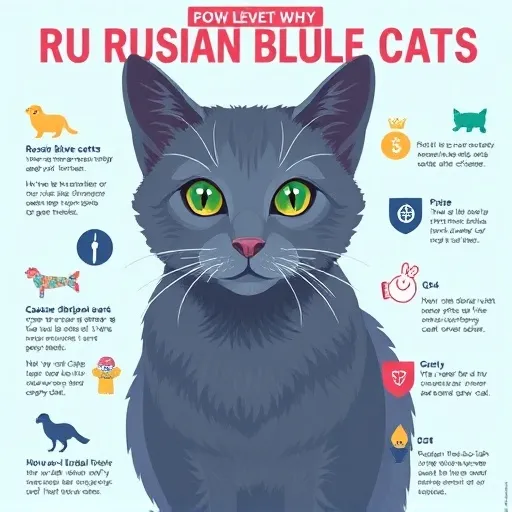
Russian Blue cat app
Why Russian Blue Cats Are So Popular Right Now
Let's be honest — Russian Blues have always carried a certain mystique, and anyone exploring russian blue cats for rehoming quickly discovers why. Their plush, double-layered coats shimmer with a silvery sheen, and those vivid emerald-green eyes are practically hypnotic. But in 2026, it's not just about looks. There's something much deeper fueling the surge in interest, and russian blue cats for rehoming searches are climbing higher than ever before.
For starters, more people than ever are working from home or in hybrid setups, which means they want companion pets that bond closely without being overly demanding. The Russian Blue temperament fits that bill perfectly. They're affectionate but not clingy, playful but not chaotic, and they tend to form deep attachments with a single person or family. In a world that's increasingly digital and fast-paced, that quiet, loyal companionship feels like a genuine luxury — and it's exactly why so many people are hunting for russian blue cats for rehoming right now.
Another big factor? Growing awareness around ethical pet ownership. People are moving away from buying through unknown sources and actively seeking reputable rehoming situations — whether that's through breed-specific rescue networks, verified adoption platforms, or responsible breeders who genuinely care about their cats' welfare. That shift is a huge win for the animals, and it's making the rehoming landscape far more transparent. If you've been searching for russian blue cats for rehoming, this new era of openness works in your favor.
The Introvert With a Big Heart and Loyal Personality
Before you fall head over heels for a pair of green eyes in a photo, it's worth understanding what daily life with a Russian Blue cat actually looks like. These feline companions are often described as "dog-like" in their loyalty, yet they're also famously reserved around strangers.
A Russian Blue won't greet your dinner guests with tail-wagging enthusiasm. Instead, they'll observe from a safe distance until they've decided the newcomer is trustworthy. But once you're in their inner circle? You'll have a shadow for life. They love to follow their humans from room to room, "helping" with everything from folding laundry to answering emails. This loyal bond is one of the top reasons people seek out russian blue cats for rehoming — they want a pet that's truly part of the family.
Playful Energy Without the Chaos and Destructive Behavior
Unlike some high-energy breeds that bounce off the walls, Russian Blues tend to be quietly playful. They love puzzle toys, interactive feeders, and a good game of fetch (yes, really). But they're equally content to curl up on a sunny windowsill for hours. This balance makes them ideal for apartment living and for households that want companionship without constant demands. It's a big part of why russian blue cats for rehoming are so sought after by city dwellers and first-time cat owners alike.
Soft Voices and Gentle Communication Habits
They're not a chatty breed, but Russian Blues do have a soft, melodic voice they use to communicate with their favorite people. Think of it as a gentle "hello" rather than a demanding meow. If you're sensitive to noise, this breed is a great match — and another reason russian blue cats for rehoming keep showing up on so many wish lists.
Verified Adoption Platforms and Digital Screening Tools
The way people find russian blue cats for rehoming has evolved dramatically over the past few years. In 2026, the process is more digitized, more transparent, and — thankfully — more focused on animal welfare than ever before.
Gone are the days of scrolling through sketchy classifieds with blurry photos and vague descriptions. Today's leading adoption platforms use verification systems, video interviews, and even virtual home tours to ensure cats go to safe, loving homes. Many now offer detailed behavior profiles, medical histories, and temperament assessments for each cat — a game-changer when you're trying to find a breed as specific as the Russian Blue. For anyone serious about russian blue cats for rehoming, these tools make the whole journey safer and smarter.
Breed-Specific Rescue Networks and Foster Support Systems
One of the best places to start your search is with breed-specific rescue organizations. These groups specialize in rehoming purebred and mixed-breed cats that find themselves without a home due to owner relocations, financial hardship, or family changes. A reputable breed rescue typically has a thorough screening process, a foster network, and a solid understanding of the breed's needs. Many operate nationally and can help arrange transport if you're not local — a huge plus when you're hunting for russian blue cats for rehoming and your perfect match lives three states away.
Responsible Breeders Versus Rehoming and Adoption Paths
It's worth distinguishing between "rehoming" and "buying." Rehoming usually refers to giving a cat a new home — often an adult cat or young adult cat whose previous owner could no longer keep them. Responsible breeders, on the other hand, may occasionally have retired show cats or older kittens available for adoption to approved homes. The key is transparency: health testing, genetic screening, and a willingness to answer every question you have. If a source can't provide health documentation or seems eager to rush the process, walk away. Ethical russian blue cats for rehoming situations always come with full disclosure.
Defining Your Ideal Cat and Researching Rescue Options
Ready to start your search? Here's a practical roadmap to help you navigate russian blue cats for rehoming smoothly and ethically.
- Define your ideal situation. Are you open to an adult cat, or specifically looking for a kitten? Do you need a cat that's good with children or other pets? Russian Blues are generally adaptable, but individual temperaments vary.
- Research breed-specific rescues. Search for rescue organizations that specialize in Russian Blues or closely related breeds. Many have waitlists, so get on one early.
- Use verified adoption platforms. Look for platforms that require identity verification and provide detailed profiles. Avoid listings that use stock photos or vague descriptions.
- Ask about health history. Russian Blues are generally healthy, but they can be prone to certain genetic conditions. A responsible source will have vaccination records, veterinary history, and ideally genetic screening results.
- Request a meet-and-greet. In 2026, many organizations offer virtual meetups before in-person visits. Take advantage of this to assess temperament and ask questions.
- Prepare your home. Set up a quiet room with a litter box, scratching post, food and water stations, and a cozy hiding spot. Russian Blues appreciate routine and predictability.
- Stay patient. Finding the right russian blue cats for rehoming can take time. The best matches are always worth the wait.
Application Screening and Virtual Home Tour Requirements
The rehoming process for a Russian Blue typically involves several stages, and understanding them will help you feel prepared. Most reputable rescues require an application covering your living situation, lifestyle, experience with cats, and long-term plans. Don't be surprised if they ask for references from a veterinarian or a personal contact. This screening isn't intrusive — it's designed to ensure the cat goes to a stable, loving home.
Many organizations now offer virtual home tours as an alternative to in-person visits. You'll be asked to show where the cat will live, sleep, and eat. This helps the rehoming team confirm your environment is safe and suitable — a standard step in quality russian blue cats for rehoming programs.
Adoption Fees, Contracts, and the Settling-In Transition Period
There's usually an adoption fee, which covers vaccinations, spaying/neutering, microchipping, and other veterinary care. A contract will outline your responsibilities as an adopter, including a commitment to proper care and to contacting the organization if you can no longer keep the cat. Read it carefully — it protects both you and the animal. Serious russian blue cats for rehoming providers never skip this step.
Russian Blues are sensitive to change, so expect a transition period of a few weeks. Provide a quiet space, plenty of hiding spots, and gentle, patient interaction. Most cats settle in beautifully with time, and the bond you build during this period is incredibly rewarding.
Debunking Myths About Behavior Problems and Aloof Temperaments
Let's clear up a few myths that might be holding you back from exploring russian blue cats for rehoming.
- "Rehomed cats have behavioral problems." Not true. Most cats end up in rehoming situations due to owner circumstances — moving, financial changes, allergies — not because of the cat's behavior. Reputable organizations assess temperament thoroughly.
- "Russian Blues are aloof and unfriendly." They're reserved with strangers, yes, but with their chosen people, they're deeply affectionate and loyal.
- "Purebred cats are impossible to find in rescue." Russian Blues do appear in rescue networks, especially breed-specific ones. You may need to join a waitlist, but they're out there.
- "Rehoming is a second-best option." Absolutely not. Rehoming gives a cat a second chance at a loving home. It's a compassionate, responsible choice — and honestly, one of the most rewarding ways to welcome russian blue cats for rehoming into your life.
Vertical Space, Quiet Corners, and Interactive Enrichment Setup
Once you've found your cat, setting up the right environment is key to a smooth transition. Here's what Russian Blues typically appreciate:
- Vertical space. Cat trees and shelves give them safe vantage points to observe their territory.
- Quiet corners. They need a retreat where they can decompress, especially during the first few weeks.
- Interactive enrichment. Puzzle feeders, wand toys, and rotating toys keep their clever minds engaged.
- Consistent routine. Feeding times, play times, and quiet times should be predictable.
- Gentle grooming. Their dense coats benefit from regular brushing, which they usually enjoy.
Emotional Rewards and the Joy of a Second Chance
There's something special about giving a cat a second chance. Many people who rehome a Russian Blue describe the experience as deeply meaningful — not just because they found a beautiful companion, but because they became part of a larger story of care and compassion. The emotional rewards of choosing russian blue cats for rehoming over other options are hard to overstate.
Russian Blues are known for forming intense bonds with their humans. When you rehome one, you're not just getting a pet; you're gaining a loyal friend who will greet you at the door, follow you through the house, and curl up beside you at the end of the day. That quiet, steady presence is a gift — and it's exactly why russian blue cats for rehoming searches keep breaking records in 2026.